Learning to Pause in a Culture of “Right Now”
A reflection on why we feel pressure to respond instantly — and how a simple pause can help our nervous systems feel safer.
I’ve been thinking a lot lately about how quickly we seem to react — and how rarely we seem to pause.
It’s not just that people feel more triggered than they used to. It’s that it feels as though we’ve collectively slipped into a culture where everything has to happen now — replies, opinions, decisions, reactions. I wonder what that is doing to us, and to our nervous systems.
A comment from a boss at work. A text from a partner that lands the “wrong” way. Something our child says or does. A parent’s opinion we didn’t ask for. A post on social media that presses our buttons.
It can feel as though we are living in a much more reactionary society than we were even 15–20 years ago. People seem quicker to feel hurt, defensive, angry, overwhelmed, or shut down. And I include myself in that.
From a nervous system perspective, this actually makes a lot of sense.
Our nervous system is always scanning for safety or threat — not just physical danger, but emotional and relational threat too. That’s its job. It’s there to protect us. The challenge is that we are now living in a world our nervous systems were never really designed for.
I often wonder: is our modern world truly full of constant low-level stimulation, or is it that it all gradually builds up without us noticing? Probably a bit of both.
Our phones are almost attached to us. They sit in our pockets, our bags, by our beds. They deliver information, messages, notifications, opinions, and images all day long. Even when nothing dramatic is happening, our systems are still processing, filtering, comparing, and responding.
And yet, at the same time, we are told we are more “connected” than ever.
But are we meant to be this connected?
Do we actually need to be this connected?
Because something doesn’t quite add up when we can be in constant contact with the world and still feel so alone and isolated inside ourselves.
It also feels as though, in the last decade, we’ve been subtly trained to believe that we have to respond now.
A parent texts and we feel we should reply immediately.
A colleague makes a comment and our system leaps to, “Have I done this all wrong?”
A message pops up and our body jumps into action before we’ve even had time to think.
But that isn’t really responding — that’s reacting.
There’s something about this expectation of instant availability that keeps our nervous systems in a constant state of readiness, as if we’re always on call. We rarely get the spaciousness to pause, feel into something, and then choose how we want to engage.
I’ve been noticing this even when I see groups of people together — often young people, but not only them — sitting side by side, technically “together,” and yet many of them are on their phones at the same time. They’re sharing a space, but not fully sharing the moment.
And I find myself wondering: what does that do to our sense of connection, to our nervous systems, and to our ability to be truly present with one another?
It’s not about judging this behaviour — I do it too — but about gently questioning what we are asking of ourselves in this always-on, always-available world.
I think this matters for our nervous systems.
When we are already carrying background stress — from work, relationships, finances, health, or simply the pace of life — even small things can feel big. A neutral comment can land as criticism. A partner’s silence can feel like rejection. A child’s behaviour can feel deeply triggering rather than just developmentally normal.
In those moments, we often slip into familiar stress responses:
Fight: snapping back, getting defensive, wanting to be right.
Flight: withdrawing, avoiding, switching off.
Freeze: feeling stuck, overwhelmed, or numb.
We react before we’ve had a chance to pause. We say things we don’t mean. We take things personally. We spiral in our thoughts.
From a kinesiology perspective, these reactions also show up in the body. When we’re under stress, certain muscles can weaken, our breathing can become shallow, and our energy flow can feel stuck or scattered. In a session, we gently check in with the body to see where it feels under pressure and where it needs support, helping the nervous system to come back into balance.
Whether you work with kinesiology, bodywork, breath, or simply your own awareness, what matters most is giving your nervous system small moments of safety.
What I’ve been reminding myself — and what I often share with clients — is that there’s a difference between reacting and responding.
A reaction comes from a nervous system that feels under threat.
A response comes from a nervous system that feels safe enough to slow down.
And perhaps the most empowering part of this is recognising that we actually do have a choice.
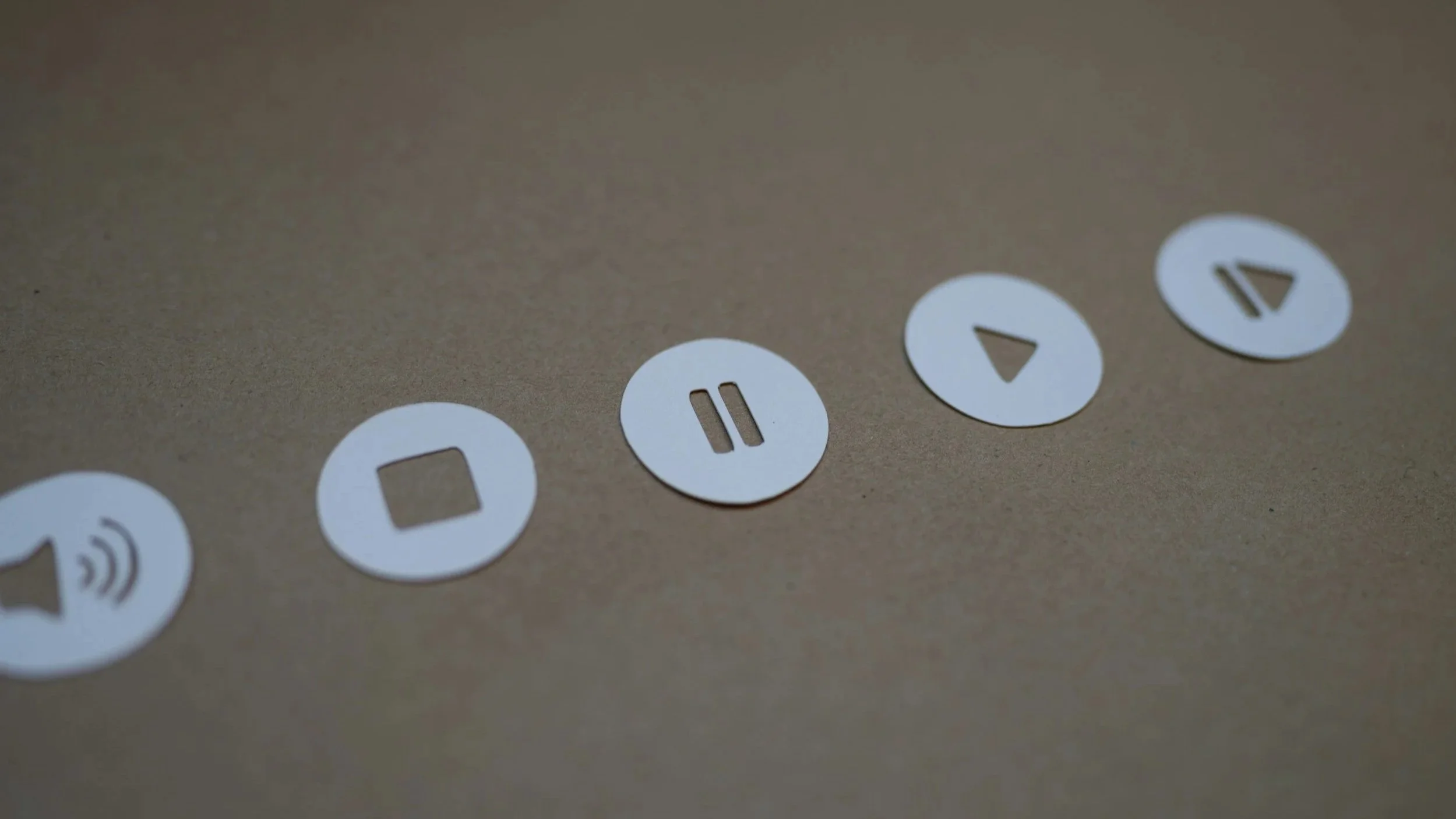
We may feel trained to respond instantly, but we don’t have to. We can, quite literally, press an internal pause button. And if we think about it, anything that we’ve been trained in — even without our knowing — we can most definitely choose to train ourselves in something different, more consciously.
In those moments, we can ask ourselves — gently, not critically —
Do I really need to respond to this right now?
Is it actually necessary in this moment?
Sometimes the answer will be yes — and that’s fine. But often, we discover that we are reacting out of habit, pressure, or anxiety rather than genuine urgency.
That small pause doesn’t make us less caring, less capable, or less responsible — it simply gives us the opportunity to offer ourselves a moment of self-care.
Choice doesn’t always look dramatic. Sometimes it’s as simple as taking one breath before replying, waiting ten minutes before sending a message, or putting the phone down until we feel steadier in ourselves.
I often invite people to use the word safe with their breath — and I’ll be honest, I was a little unsure of it at first myself. My mind wanted to say, “Well of course I’m safe, I’m at home, I’m not in danger.”
But when I stayed with it, something subtle began to shift. It wasn’t about my circumstances; it was about how my nervous system felt in my body. Slowly, the word started to land more deeply, like a gentle signal to my system that it could soften, even just a little.
If you’d like to try this now, you might pause for a moment:
Place your feet on the floor and feel their contact with the ground.
Take one slow breath in through your nose, and a slightly longer breath out through your mouth.
As you breathe out, quietly say to yourself: “I am safe enough in this moment.”
Notice what you feel — not just in your mind, but in your body. There’s no right or wrong response.
You’re not trying to fix anything or become perfectly calm. You’re simply offering your nervous system a small, kind reminder that it doesn’t have to stay on high alert all the time.
We don’t have to change the whole world to change how we experience it. We can gently support our nervous systems to feel a little safer, a little steadier, and a little more grounded.
Because when our nervous systems feel safer, we are less likely to react automatically, and more able to respond with clarity, kindness, and self-respect — to our partners, our children, our friends, our colleagues and bosses and, perhaps most importantly, to ourselves.
And maybe, little by little, that is how we begin to soften some of the reactivity we’re seeing in the world around us too.